Husqvarna Axe: A Comprehensive Exploration
Introduction
In the realm of power tools, the Husqvarna Axe stands out as a formidable instrument with a rich history and diverse applications. This article aims to delve into the multifaceted world of the Husqvarna Axe, exploring its evolution, global impact, economic significance, technological advancements, regulatory landscape, challenges, and its role in shaping industries. By the end, readers will gain a comprehensive understanding of this versatile tool and its influence on modern practices.
Understanding Husqvarna Axe: Unveiling the Core
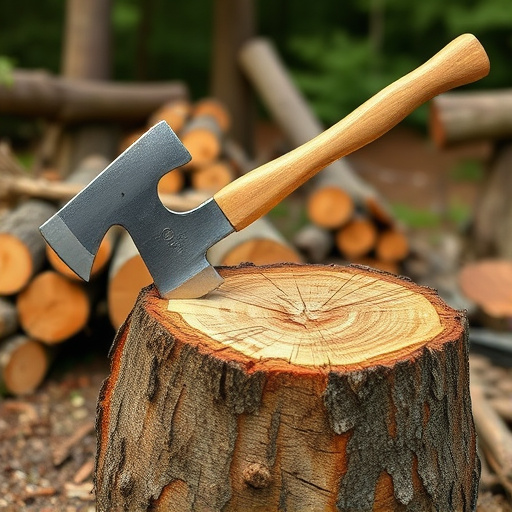
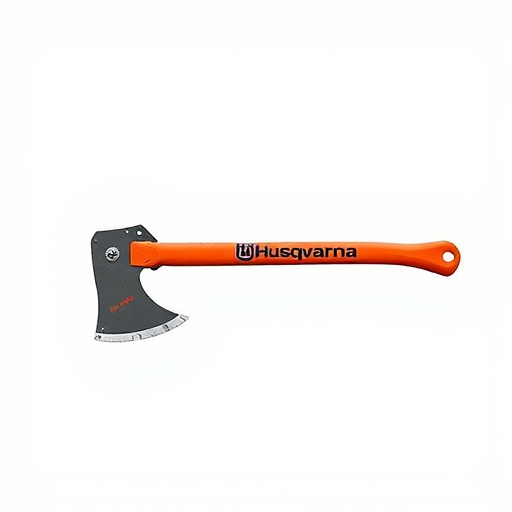
The Husqvarna Axe is a heavy-duty mechanical device designed for felling trees, cutting wood, and various other forestry and construction tasks. It is a powerful and precise instrument that has evolved over centuries, adapting to modern demands. At its heart, the axe consists of several key components:
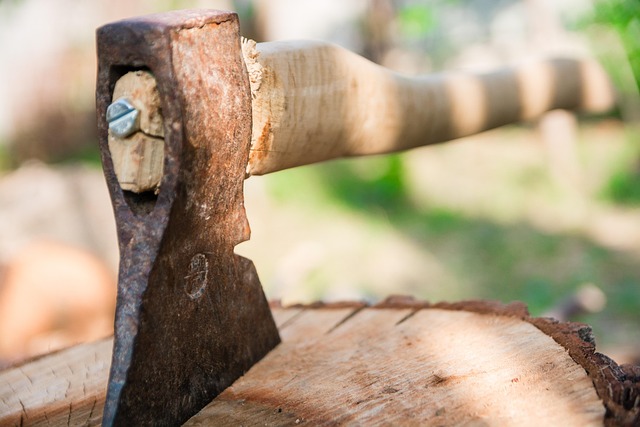
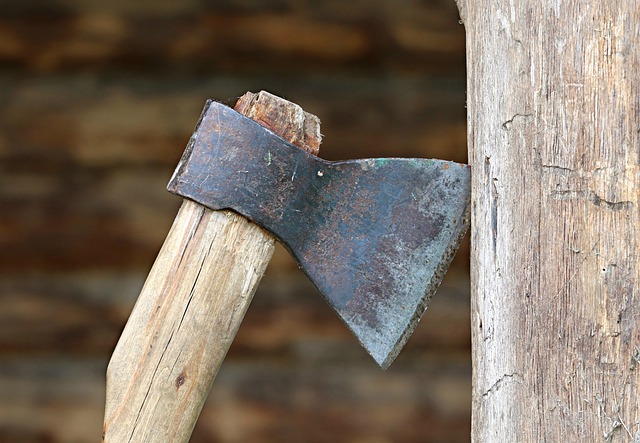
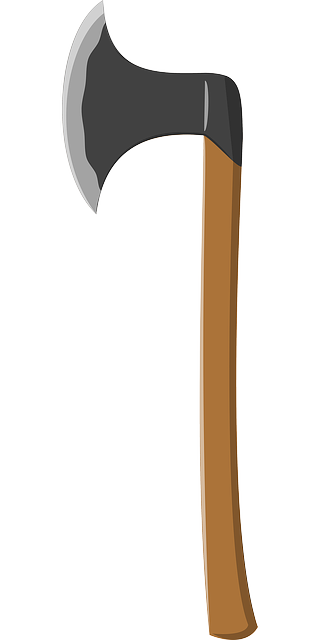
- Head: The striking part of the axe, typically made of steel, featuring a sharp edge for cutting. The head is balanced to ensure optimal swing and control.
- Handle (Axe Shaft): Usually crafted from wood or durable synthetics, the handle provides a gripping surface and transmits force to the head.
- Pivotal Joint: Connects the head to the handle, allowing for movement and swing. Modern designs employ advanced bearings for smooth operation.
- Chisel Edge: The cutting edge of the axe head, designed for efficient wood splitting and felling.
Historically, axes have been used for centuries in forestry, agriculture, and construction. The Husqvarna brand, established in Sweden, has been at the forefront of axe manufacturing since its inception in 1680. Over time, the company’s innovations led to the development of specialized axes for various industries, ensuring precision, safety, and efficiency.
Global Impact and Trends
The Husqvarna Axe has left an indelible mark on global forestry, construction, and outdoor recreation industries. Its impact is evident across different regions:
| Region |
Key Influence |
Local Applications |
| Europe |
High demand for sustainable forestry practices |
Used in managed forest cutting and firewood collection |
| North America |
Diverse construction needs |
Popular for log splitting, tree felling, and land clearing |
| Asia Pacific |
Rapid urbanization and infrastructure growth |
Employed in construction sites for wood processing and structural framing |
| Latin America |
Traditional agricultural practices |
Essential tool for farmers in forestry and land management |
Global trends shaping the Husqvarna Axe’s trajectory include:
- Sustainability Focus: Growing emphasis on environmentally conscious practices has led to increased demand for efficient, yet sustainable, axe technologies.
- Mechanization and Automation: The integration of advanced machinery and automation in industries has influenced the design and functionality of manual tools like axes.
- Outdoor Recreation Boom: Rising outdoor enthusiasts have fueled the market for high-quality axes used in camping, hiking, and wilderness activities.
Economic Considerations
The Husqvarna Axe plays a pivotal role in various economic sectors, influencing markets and driving investment:
- Forestry and Logging: A key driver of axe demand, this industry relies on efficient felling and processing equipment, impacting raw material availability and pricing.
- Construction: With growing infrastructure projects worldwide, the construction sector demands specialized tools like axes for wood cutting and handling.
- Agriculture: Traditional farming practices in many regions still employ axes for land management and wood harvesting, contributing to rural economies.
Market dynamics reveal a global supply chain, with Husqvarna and other manufacturers catering to diverse regional needs. Investments in research and development have led to innovative axe designs, enhancing productivity and safety.
Technological Advancements: Revolutionizing the Axe
Technological innovations have significantly enhanced the capabilities of the Husqvarna Axe:
- Ergonomic Handles: Modern axes feature ergonomic handles designed for reduced strain on users’ arms and shoulders, improving work comfort.
- Advanced Materials: High-strength steels and lightweight synthetics are used to enhance durability, precision, and maneuverability.
- Hydraulic Systems: Some advanced models incorporate hydraulic systems for controlled and efficient felling, reducing the risk of accidents.
- Smart Features: Digital technology has enabled axes with integrated sensors and connectivity, providing data on swing speed, force, and performance for optimal usage.
These advancements cater to the evolving needs of professionals and enthusiasts alike, ensuring the Husqvarna Axe remains a versatile tool.
Policy and Regulation: Ensuring Safe Practice
Governing bodies worldwide have implemented policies and regulations to ensure safe and responsible use of Husqvarna Axes:
- Safety Standards: International standards like ISO 15842 set guidelines for axe design, manufacturing, and testing, ensuring product safety.
- Environmental Regulations: Laws aimed at sustainable forest management influence the type and usage of axes in certain regions, promoting responsible cutting practices.
- Workplace Safety: Occupational health and safety regulations require personal protective equipment (PPE) when using axes in construction and forestry settings.
Regulatory bodies regularly update guidelines to address emerging issues, such as noise pollution and environmental impact, ensuring the industry adheres to modern standards.
Challenges and Criticisms: Overcoming Barriers
Despite its numerous advantages, the Husqvarna Axe faces several challenges and criticisms:
- Safety Concerns: The axe’s sharp edge poses inherent risks, leading to accidents if not handled properly. Training and safety protocols are essential to mitigate these dangers.
- Environmental Impact: Unsustainable axe usage can contribute to deforestation and habitat destruction. Implementing responsible cutting practices and promoting alternative methods are crucial solutions.
- Noise Pollution: Traditional axes produce high-decibel noise, impacting nearby communities. Modern designs and quieter technologies offer mitigating solutions.
To address these issues, industry stakeholders should collaborate on safety campaigns, environmental initiatives, and the development of advanced, eco-friendly axe models.
Case Studies: Real-World Applications
1. Sustainable Forestry in Canada
In British Columbia, Canada, Husqvarna Axes are employed in a comprehensive sustainable forestry program. The province’s foresters use advanced axes with precise cutting capabilities to minimize damage to surrounding ecosystems during tree felling. This method ensures the preservation of valuable wildlife habitats and promotes rapid reforestation.
2. Construction Innovation in Dubai
Dubai’s ambitious construction projects showcase the versatility of Husqvarna Axes. On the Burj Khalifa, the world’s tallest building, axes were utilized for precise wood cutting and structural framing, highlighting the tool’s efficiency and precision in large-scale construction.
3. Wilderness Recreation in New Zealand
New Zealand’s rugged terrain attracts outdoor enthusiasts seeking remote adventures. Husqvarna Axes are a staple among trekkers and campers, enabling them to navigate through dense forests and prepare camp sites with minimal environmental impact.
Future Prospects: Shaping the Next Era
The Husqvarna Axe is poised for continued growth and evolution, driven by emerging trends:
- Sustainable Innovation: The push for eco-friendly practices will foster the development of greener axe technologies, incorporating renewable materials and energy-efficient designs.
- Digital Integration: Advanced digital features, such as connected axes with real-time data analytics, could revolutionize forest management and construction practices.
- Automated Assist: Semi-automated or robotic axe systems might emerge, providing enhanced precision and safety in specialized applications.
- Global Customization: Localized designs catering to specific regional needs will ensure the axe remains a versatile tool worldwide.
Conclusion: A Timeless Tool for Modern Times
The Husqvarna Axe, with its rich history and diverse applications, has proven itself as an indispensable tool in modern forestry, construction, and outdoor recreation. Through technological advancements, regulatory compliance, and sustainable practices, this instrument continues to evolve while maintaining its core principles. As the world navigates increasing environmental concerns and technological strides, the Husqvarna Axe will undoubtedly play a pivotal role in shaping industries and connecting people to nature.
FAQ Section: Addressing Common Queries
Q: Are Husqvarna Axes safe for beginners?
A: Absolutely! Husqvarna offers a range of axes suitable for beginners, featuring ergonomic designs and safety features like chisel guards. Proper training and following safety guidelines are essential for all users.
Q: How do I maintain my Husqvarna Axe?
A: Regular maintenance includes sharpening the blade, lubricating moving parts, and keeping the head and handle clean. Follow the manufacturer’s instructions for specific care tips.
Q: Can Husqvarna Axes be used for camping trips?
A: Certainly! Lightweight and versatile models are ideal for outdoor adventures. They can assist in chopping firewood, setting up camp, and navigating through forests efficiently.
Q: What are the noise level regulations for axe usage?
A: Noise pollution regulations vary by region. In many places, using ear protection is mandatory when operating axes near residential areas or during quiet hours. Modern, quieter axes can help comply with these standards.
Husqvarna's Forest Axes offer a blend of power and play with premium steel construction, ergonomic handles, and advanced design for exceptional durability and performance. The Power N Play series caters to professionals and enthusiasts, rev…….
Continue Reading
The Husqvarna axe is celebrated for its exceptional craftsmanship, combining traditional expertise with modern innovations for superior performance and durability. Ideal for outdoor activities like camping and hiking, these axes offer balanced,…….
Continue Reading
The Husqvarna axe, part of the Power N Play series, excels in craftsmanship, design, and user-friendly features. Its precision-ground blade, ergonomic handle, and durable construction make it suitable for loggers, campers, and enthusiasts. The i…….
Continue Reading
The Husqvarna Axe is a top choice for wood splitting, offering durability, ergonomic design, and powerful performance through its 'Power N Play' technology. Suitable for residential or professional use, it caters to various tasks with…….
Continue Reading
In a world dominated by digital trends, Husqvarna's "Power N Play" axe gift sets cater to the growing desire for hands-on activities. These sets blend quality, performance, and playfulness, appealing to both beginners and experien…….
Continue Reading
The Husqvarna Axe is a leading outdoor tool for camping and various tasks, praised for its precision, power, and versatility. The Power N Play concept combines raw power with ease of use, while ergonomic designs and durable materials ensure comf…….
Continue Reading
Husqvarna, a leading power tool brand, excels in axe manufacturing with its robust and innovative Power N Play series. Their extensive forestry knowledge ensures each axe is meticulously engineered for durability and superior performance, cateri…….
Continue Reading
The Husqvarna Axe stands out for its Swedish craftsmanship, robust design, and diverse applications from professional logging to hobbyist chopping. Key features include advanced ground edges, ergonomic hickory handles offering exceptional streng…….
Continue Reading
The Husqvarna Forged Steel Axes are industry-leading tools known for their exceptional quality and durability, catering to both professionals and outdoor enthusiasts. Crafted with precision, these axes feature powerful forged steel heads that of…….
Continue Reading
Husqvarna axe blade protectors are essential for all axe users, from professionals to campers. They safeguard against rust, corrosion, and bluntness, extending the lifespan of your axe's cutting edge. These covers protect both users and equ…….
Continue Reading
The Husqvarna Axe Blade Protectors are designed to safeguard the axe's cutting edge, crucial for all users. These protectors act as a barrier, preventing damage and ensuring the blade remains sharp. Suitable for professionals and casual out…….
Continue Reading
Power N Play offers a range of Husqvarna axe sharpeners for professionals and hobbyists, ensuring optimal axe performance and safety through precise edge maintenance. Models vary from portable hand-held options to stationary units, catering to d…….
Continue Reading
For hikers seeking versatile tools on rugged terrain or multi-day treks, Husqvarna's Power N Play range of lightweight axes is a game-changer. These innovative designs offer benefits beyond traditional camping and logging uses, such as shel…….
Continue Reading
Maintaining a Husqvarna Axe is vital for maximizing its lifespan, performance, and safety. Regular care prevents rust, keeps the blade sharp, and ensures the handle remains in top condition. The Husqvarna Axe maintenance kits offer tailored solu…….
Continue Reading
The Husqvarna Wood Splitting Maul's Power N Play mechanism offers precise control and efficiency for wood splitting, while its ergonomic design minimizes user strain. Adjustable settings cater to various log sizes and types. The Power N P…….
Continue Reading
Maintaining a sharp Husqvarna axe is essential for safety, productivity, and tool longevity while working with wood. Power N Play offers a range of advanced axe sharpeners designed for precision, durability, and user-friendliness. Their electric…….
Continue Reading
Power N Play is your premier destination for reliable Husqvarna outdoor axes, offering a diverse range of high-quality tools suited for all skill levels and tasks. Crafted with superior craftsmanship, these axes feature sharp, easy-to-maintain e…….
Continue Reading
The Husqvarna Axe, a top model in its Power N Play series, is celebrated for its superior craftsmanship and cutting-edge design. Crafted from premium steel, these axes offer unparalleled durability, strength, and edge retention, ideal for profes…….
Continue Reading
The Husqvarna Axe, with a legacy dating back to the 1600s, is renowned for precision and craftsmanship. Power N Play offers a diverse selection of high-quality Husqvarna axes, combining traditional expertise with modern advancements for superior…….
Continue Reading
The Husqvarna Axe is a premium tool for professionals in forestry and construction, combining superior quality, durability, and innovative features like Power N Play technology for enhanced user comfort and reduced strain. With a focus on ergono…….
Continue Reading